

For someone who has dedicated his life to this culture, I feel compelled to write this—to mark this moment in time and to reflect on what it all means.
Hip hop is not just something I was part of—it is something that shaped me. It emerged during my youth and became the voice of my generation, and the generation before me. It gave us identity, purpose, and a way to express ourselves when or in a way nothing else did. It has been my voice, my outlet, my vehicle for creativity and communication—from childhood into my 50s.
This culture demands excellence. It pushes you to be good—no, extraordinary—at whatever you choose to do. And in doing so, it gave people like me a sense of value. I felt like I meant something.
I was there when hip hop first reached this country. But like many my age, I was just a kid—too young to fully participate in what the generation before me were building. They were travelling, performing, making waves. I was watching, learning, absorbing.
My first connection to hip hop came through breakdancing and graffiti. The music, at that time, was secondary. I couldn’t afford records, and I hadn’t yet developed the desire to explore them deeply. The music was the backdrop—the heartbeat behind the art and the movement. It was my older brother and sister who brought music into the house. My brother, now in his 60s, was into psychedelic and guitar bands, recording tracks off the radio. Hip hop, to us as kids, was just this new, exciting thing everyone at school was discovering.
But as I grew older, the music began to mean more. I started to see that hip hop was more than sound and style—it was a philosophy, a movement. I learned about Zulu Nation—its vision, its purpose, and the principles it stood on. It was something I deeply admired. It made me think about what I was doing, not just as self-expression, but as a way to uplift others.
When Afrika Bambaataa passed earlier this week, I took time to reflect before saying anything. To me, he was always the architect—the one who unified the elements and gave hip hop its identity as a culture.
I expected to feel the kind of loss people describe when icons like Kurt Cobain, Elvis, or Martin Luther King passed. After all, what I do today exists because of what he helped create.
But the truth is—I didn’t feel that.
Bambaataa was a powerful figure. I understand why artists like KRS-One, Chuck D, and others have spoken as they have. They shared lifelong relationships with him, and their experiences were rooted in the positive message that Zulu Nation represented—upliftment, empowerment, unity. That was the narrative we all believed in. They had real life experiences dealing with facing some very serious challenges. Im not mad at KRS Ones reaction after being put on the spot ironically in Birmingham I think a week after Bams allegations came out.
He had not been-presented or really seen the evidence, or would of been more informed. It’s natural he would defend his friend.
I believe now more people will come forward. I only hope for the sake of the true victims that their experience / trauma and pain they endured are not forgotten.
I remember the first time I had the chance to meet him. My close friend Steve Bridger—who lived across the road—had won a BBC Essential Mix competition and was rising fast. He once asked me, “I’m going to DJ with Bambaataa, do you want to come?” I said no. I told him, “This is your moment, not mine.”
Years later, Bambaataa came to Birmingham, and I was determined to interview him. I was in my early 20s. I was the first person there asking his team for that opportunity, and the last to leave—waiting patiently, hoping. Eventually, they said yes. I still remember how I felt walking into that room. It felt like I was about to meet a king.
Looking back now, after the allegations surfaced, I understand that feeling differently. The presence he carried, the influence he had—it made people, including myself, see him as more than human. He wasn’t just a man to us. He was the symbol of something much bigger.
As a brown kid growing up with few visible role models, Bambaataa’s message connected with me. It gave me direction. It gave me purpose.
I later became more involved with people connected to Zulu Nation. I was honoured—twice—to be given beads by respected figures within the movement. That meant more to me than any formal membership ever could.
And I want to be clear—this is my personal perspective. I have seen, first-hand, the positive impact Zulu Nation had on communities, especially in places like Bronx River. It saved lives. It gave hope to people in environments that had very little of it.
That is why this is so difficult.
If the allegations are true, then a man who was seen as a leader, a guide, someone young people looked up to—used that power in ways that caused harm and destruction. I know people who were directly affected. This isn’t abstract to me.
I believe that, ultimately, we are judged by our deeds. Nothing is hidden in the eyes of God. Whatever we do in this life, we answer for.

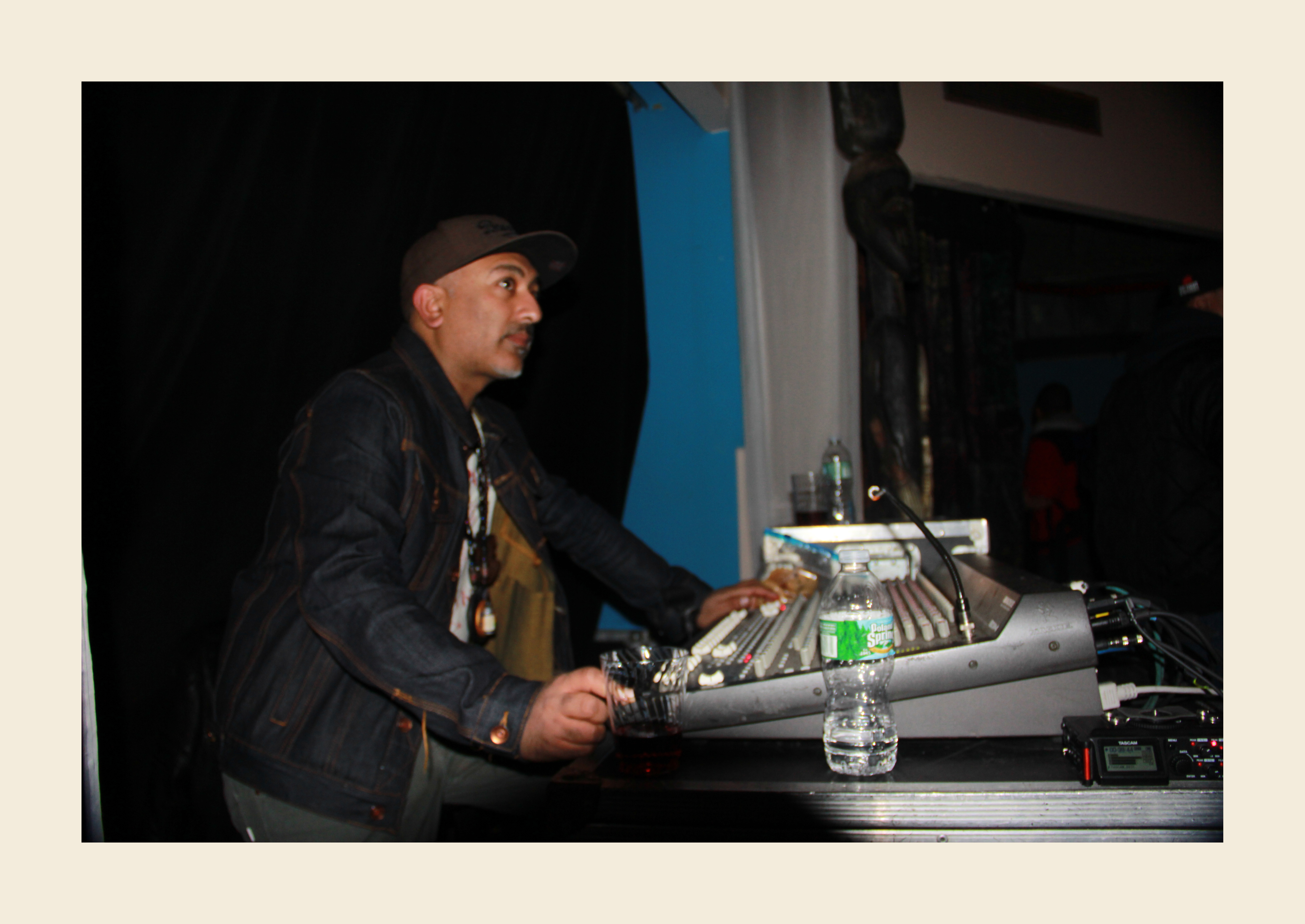
I worked on sound alongside Jay for the last two Zulu Nation anniversaries that Bambaataa attended, before everything came to light. To think about that now—it’s heavy.
He destroyed his own legacy. And what a legacy it could have been.
But here’s what I hold onto—hip hop is bigger than any one individual. Bigger than him. Bigger than any of us. For many of us, it gave purpose, direction, and a way out. And that doesn’t disappear because of one man’s actions.
So I continue. Because this culture, at its core, is still about growth, truth, and expression.
And that is something worth holding onto.
my bones tell me a Netflix Doc is already being discussed. I hope those that read this read this clearly.

Leave a Reply